
As we move into a new school year, schools are rightly having more conversations about harmful behaviour, including misogyny, bullying, prejudice and abuse. These behaviours must be addressedsmart. She’s so smart. clearly. But as adults, we also need to be careful that, in responding to them, we do not demonise the young people involved.
In my sessions with staff and parents as well as young people, I often use a simple saying:
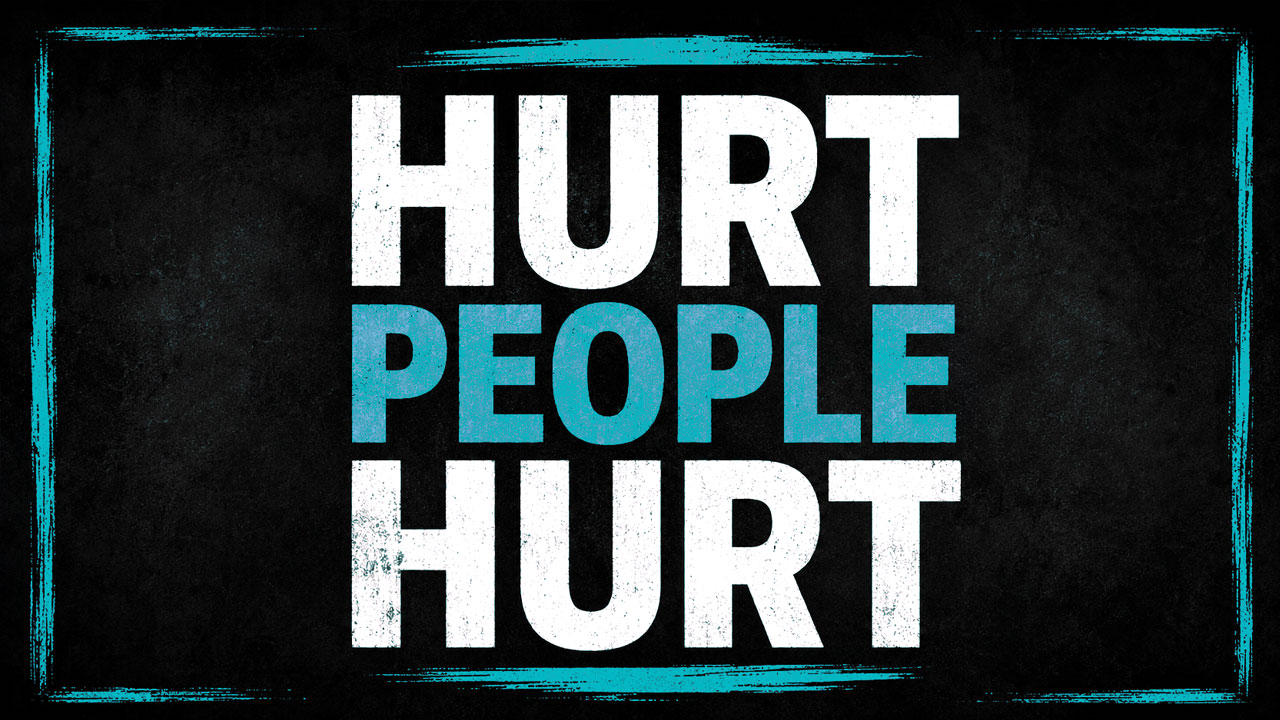
Hurt people hurt.
Those three words can help us process behaviour that is hurtful, upsetting or even deeply offensive. They remind us to look beyond the behaviour we can see and become curious about what may be happening underneath it.
Think about some familiar examples:
The playground bully – hurt people hurt.
What is happening beneath the aggression? Are they frightened, insecure or desperate to feel powerful? Have they been bullied themselves? Are they copying behaviour they have experienced elsewhere?
The keyboard warrior – hurt people hurt.
What sits behind the angry posts and personal attacks? Is the screen providing a place to release frustration, seek attention or gain approval? Is online outrage helping them feel noticed or part of a group?
The young person repeating misogynistic ideas – hurt people hurt.
Where did those beliefs come from? Are they trying to belong, appear powerful or hide their own vulnerability? Which voices are influencing them, and what need are those voices meeting?
The principle can help us think about behaviour across a wide spectrum, from playground bullying and online abuse through to coercive control and intimate partner violence.
Hurt people hurt – but being hurt never gives someone the right to harm another person.
This saying must never be used to minimise abuse, blame victims or pressure someone to remain in an unsafe relationship. When coercive control or intimate partner violence is present, safety, protection and accountability must come first. Understanding what may lie behind abusive behaviour does not excuse it, and it does not remove the responsibility of the person causing harm.
Young people also need to understand this distinction. Pain may help explain behaviour, but it does not justify it.
A young person’s behaviour may be communicating fear, insecurity, loneliness, rejection or a need to belong. They may be repeating attitudes they have heard online, at home or among their peers. They may be trying to gain status, hide vulnerability or make sense of experiences they do not yet have the language to describe.
None of this makes harmful behaviour acceptable. It does, however, help us respond more effectively.
When a young person says or does something offensive, we should address its impact directly. We can say, “That was harmful, and it is not acceptable here,” while also asking, “What is happening for you?” and “Where has this belief come from?”
Young people need adults who can hold both truths at once: the behaviour must change, and the person is still worthy of care.
If we label a young person as bad, dangerous or beyond help, we risk pushing them further towards the very influences we want to protect them from. Shame often creates defensiveness and secrecy. Connection, combined with clear boundaries, creates the possibility of reflection and change.
So, as the new school year begins, “hurt people hurt” is a fresh reminder for every adult who lives or works alongside young people.
Look beneath the behaviour. Be curious. Protect those who have been harmed. Address harmful ideas without humiliating the young person expressing them. Hold firm boundaries while keeping the door to connection open.
Because our responsibility is not simply to stop behaviour in the moment. It is to help young people understand themselves, recognise their impact on others and learn healthier ways to respond to whatever they are carrying.
Hurt people hurt-but supported people can heal, learn and change.